
Key Takeaways
- A joint divorce allows both spouses to file a divorce application together as co-applicants.
- After filing, the Ontario Superior Court of Justice reviews the documents for completeness and legal compliance.
- Judges assess whether the legal grounds for marriage breakdown are satisfied.
- When children are involved, the court reviews child support arrangements to ensure compliance with the Federal Child Support Guidelines.
- If the documents are accurate, the judge may grant the divorce order without requiring a court appearance.
- The divorce becomes legally final 31 days after the divorce order is issued.
- Working with a Joint Divorce lawyer helps prevent paperwork errors and unnecessary delays.
After Filing — Court Receives and Processes the Application
Once the joint divorce application is filed with the Ontario Superior Court of Justice, the court begins an administrative review. Court staffs first examine the documents to ensure that the application package is complete and properly filed.
During this stage, the court verifies several basic details. Staff confirm that the correct court filing fee has been paid and that the required forms are signed and submitted correctly. They also check that the application contains the necessary supporting documentation.
Typical documents included in a joint divorce filing may include:
- Form 8A – Application for Divorce
- The original marriage certificate
- An Affidavit for Divorce
- A draft divorce order
- Financial and parenting documentation when children are involved
If court staff notice missing documents or errors, the application may be returned or flagged for correction. Even small mistakes, such as incomplete signatures or incorrect dates, can slow the process.
Court Review by a Judge
After the administrative review is complete, the court forwards the application to a judge for legal assessment. At this stage, the judge examines whether the divorce meets all requirements under the Divorce Act and Ontario family law procedures.
The judge typically reviews several important factors.
First, the court confirms that the spouses have established valid grounds for divorce, most commonly the required one-year separation period. The judge also verifies that at least one spouse meets the Ontario residency requirement, meaning they have lived in the province for at least twelve months before filing the application.
When children are involved, the court must ensure that the proposed child support arrangements comply with the Federal Child Support Guidelines. Even in a joint divorce, the court will not approve a divorce order unless appropriate child support provisions are in place.
Judges also examine whether the documents are complete and consistent. If the paperwork contains unclear information or missing financial disclosures, the judge may request additional documentation before approving the divorce.
Possible Court Outcomes after Review
Once the judge reviews the joint divorce application, several outcomes are possible depending on the accuracy and completeness of the documents.
In many cases, the divorce is granted without any court appearance. Because both spouses agree and the paperwork provides the necessary information, the judge can approve the application based entirely on the written materials.
However, if the court identifies problems with the documentation, the judge may issue a requisition. A requisition is a request from the court asking the applicants to correct errors or provide additional information. This could include submitting a revised affidavit, correcting financial details, or clarifying child support arrangements.
Although rare in joint divorces, a judge may also require a hearing in limited circumstances. For example, if there are concerns about child support compliance or jurisdiction, the court may request additional clarification before granting the divorce.
The Divorce Order and What It Means
If the judge determines that the legal requirements have been satisfied, the court issues a divorce order. This document officially confirms that the court has approved the dissolution of the marriage.
The divorce order is signed by the judge and placed on the court record. It represents the court’s formal decision to grant the divorce, but it does not immediately make the divorce final.
Ontario law requires a 31-day waiting period after the divorce order is issued. During this period, either party technically has the right to appeal the decision, although appeals are uncommon in joint divorce cases.
After the 31 days pass, the divorce becomes legally effective. At that point, the spouses are officially divorced under Canadian law.
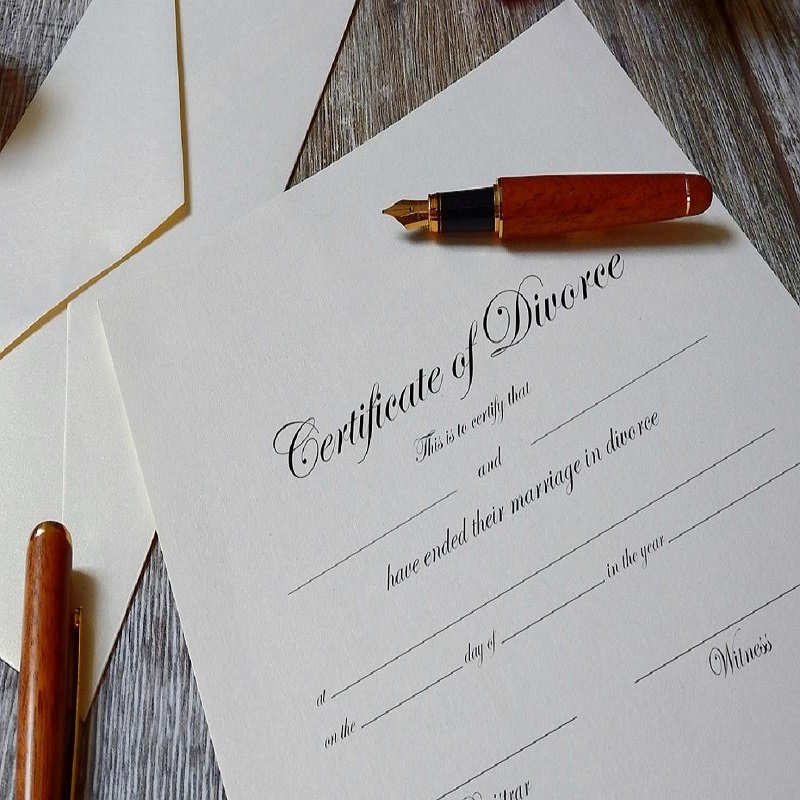
Many people also request a Certificate of Divorce from the court after the waiting period. This document is often required if either former spouse intends to remarry.
Typical Timelines for a Joint Divorce in Toronto
The timeline for completing a joint divorce in Toronto depends on several factors, including court workload and the accuracy of the submitted documents.
In many cases, a joint divorce takes approximately two to four months from the date the application is filed until the divorce order is issued. After that, the additional 31-day waiting period must pass before the divorce becomes final.
Certain issues may extend this timeline. For example, incomplete documentation can delay the court’s administrative review. Court backlogs may also affect processing times, particularly in busy jurisdictions.
Another common source of delay occurs when the court needs clarification about child support arrangements. Because courts must ensure compliance with federal guidelines, judges may request additional financial information before approving the divorce.
How a Joint Divorce Lawyer Can Help
Although a joint divorce is designed to be efficient, legal guidance can still be valuable. A joint divorce lawyer helps ensure that the application complies with Ontario family law requirements before it reaches the court.
One important role of a lawyer is reviewing the divorce application forms for accuracy. Even minor errors can result in court requisitions that delay the divorce.
A lawyer can also confirm that financial documents and parenting arrangements satisfy the legal standards required by the court. This is particularly important when children are involved, because the court must confirm that child support obligations meet federal guidelines.
Legal guidance may also help address jurisdiction questions or clarify issues related to the separation period, preventing complications that could slow the court process.
By ensuring the documentation is complete and legally sound, a lawyer can help couples avoid many common procedural problems.
Frequently Asked Questions
How long does a joint divorce take in Toronto?
A joint divorce typically takes about two to four months for the court to process the application. After the divorce order is issued, the divorce becomes final 31 days later.
Do both spouses need to attend court for a joint divorce?
In most cases, no court appearance is required. Judges usually review the divorce application and supporting documents without requiring either spouse to attend court.
Can a joint divorce be rejected by the court?
Yes. The court may refuse to grant a divorce if the legal requirements for divorce are not satisfied or if the documentation is incomplete.
What happens if the court finds mistakes in the divorce application?
The judge may issue a court requisition requesting corrections or additional documents. The applicants must address these issues before the divorce can proceed.
When can someone remarry after a divorce in Ontario?
A person can remarry after the divorce becomes legally final, which occurs 31 days after the divorce order is issued. Many individuals obtain a Certificate of Divorce before remarrying.
Is a separation agreement required for a joint divorce?
A separation agreement is not legally required for filing a joint divorce, but it is often used to document agreements related to property division, spousal support, and parenting arrangements.