

Key Takeaways
- A joint divorce allows both spouses to file for divorce together using a single court application.
- Couples must show they have lived separate and apart for at least one year under the Divorce Act.
- Key documents include a marriage certificate, Form 8A divorce application, and supporting court forms.
- Courts may review financial records and child support arrangements before granting a divorce.
- Errors in legal paperwork often lead to delays in the Ontario Superior Court of Justice.
- A Joint Divorce lawyer prepares and reviews documentation to ensure the divorce application is properly filed.
Core Legal Documents Required for a Joint Divorce
Marriage Certificate
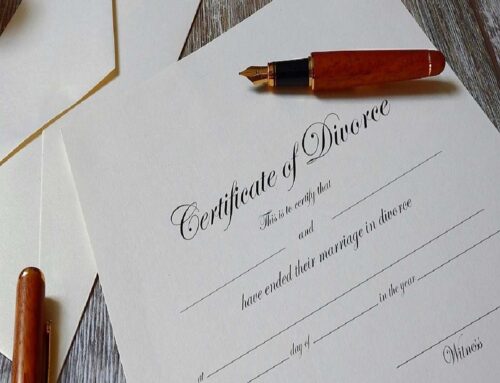
The marriage certificate is one of the most important documents required for a divorce. It proves that the marriage legally took place.
Courts typically require the original certificate or a government-issued copy. If the marriage occurred outside Canada, couples may need to provide an official translation along with the certificate.
Without this document, the court cannot confirm the legal existence of the marriage.
Form 8A – Application for Divorce
The Form 8A Application for Divorce is the primary document used to start a joint divorce case. Both spouses sign this form.
This application includes important details such as:
- Names of both spouses
- Date and place of marriage
- Date of separation
- Confirmation that the spouses seek a joint divorce
- Information about any children of the marriage
Accuracy is essential. Incorrect information on this form can lead to court rejection or additional delays.
Form 36 – Affidavit for Divorce
The Affidavit for Divorce confirms that the information in the application is true. It is a sworn statement submitted to the court.
This document verifies several key facts, including:
- The one-year separation requirement
- That there is no possibility of reconciliation
- That proper arrangements exist for child support if children are involved
A lawyer typically reviews this document carefully before it is signed and submitted.
Form 25A – Draft Divorce Order
The Divorce Order is the document a judge signs to legally end the marriage.
When filing a joint divorce, the spouses submit a draft version of this order for the judge’s review. If everything is correct, the court signs the order and issues the final decision.
Registration of Divorce Proceedings Form
Every divorce filed in Canada must be registered with the federal government. The Registration of Divorce Proceedings form ensures that the same couple does not file multiple divorce applications in different courts.
Proof of Separation and Supporting Evidence
Under Canadian family law, divorce can be granted if spouses have lived separate and apart for at least one year. This is the most common ground for divorce in Ontario.
Although the court does not always require extensive proof, it must be satisfied that the separation requirement has been met.
Supporting documents may include:
- A written separation agreement
- Statements confirming the separation date
- Evidence of separate residences
- Proof that finances have been separated
Even if spouses continue living in the same home, they can still be considered separated if they maintain separate lives. This may involve separate finances, separate bedrooms, and independent daily routines.
A joint divorce lawyer helps ensure that the separation date is clearly documented, as inconsistencies can cause delays in court approval.
Financial and Property Documents That May Be Required
Although many couples resolve financial matters before filing a joint divorce, lawyers often review supporting financial documentation to ensure that issues have been properly addressed.
Common documents may include:
- Bank statements
- Mortgage or property ownership documents
- Pension statements
- Credit card balances and debt records
- Documentation related to spousal support
These documents confirm that financial matters such as property division, debts, and support obligations have already been resolved between the spouses.
Parenting and Child-Related Documents
When children are involved, the court must ensure that proper arrangements have been made before granting a divorce order.
Ontario courts carefully review child support and parenting arrangements to protect the interests of the children.
Documents may include:
- A written parenting plan
- Details of child support payments
- Calculations based on the Federal Child Support Guidelines
- Agreements regarding decision-making responsibilities
Even in a joint divorce, the court must confirm that children are financially supported according to federal guidelines.
If the proposed support amount appears too low, the court may request clarification before approving the divorce.
Additional Court Filing Documents a Joint Divorce Lawyer May Prepare
Beyond the basic forms, a Joint Divorce lawyer often prepares additional documents to complete the court file properly.
These may include:
- The Continuing Record used by the court to track the case
- Sworn statements confirming agreement between spouses
- Legal verification documents
- Supporting materials requested by the court
Proper organization of these materials helps ensure that the court has everything required to review the case efficiently.
Common Documentation Mistakes That Delay Joint Divorces
Many joint divorce applications experience delays because of simple paperwork mistakes.
Common issues include:
- Incorrect separation dates listed on court forms
- Missing signatures on legal documents
- Submitting photocopies instead of the required marriage certificate
- Incomplete sections of the divorce application
- Incorrect child support calculations
Courts often return applications when these problems appear. This can add weeks or months to the process.
A Joint Divorce lawyer reviews every document carefully before filing to reduce the risk of rejection.
How a Joint Divorce Lawyer Helps Prepare and File Documents
Although couples can technically file a joint divorce application on their own, many choose to work with a lawyer to ensure accuracy.
A Joint Divorce lawyer assists by:
- Reviewing the separation agreement
- Preparing all court forms
- Ensuring compliance with Ontario family law rules
- Filing the documents with the Ontario Superior Court of Justice
- Monitoring the progress of the divorce application
Lawyers also respond to any questions or requests from the court during the review process.
Frequently Asked Questions
Do both spouses need to provide the same documents for a joint divorce?
In a joint divorce, both spouses sign the same application and confirm the same information. The documents are usually submitted together as one court file rather than separately.
What happens if we cannot find our marriage certificate?
If the marriage certificate is lost, couples can request a replacement from the provincial registry where the marriage occurred. If the marriage took place outside Canada, the certificate must be obtained from the issuing country.
Can a joint divorce be filed without financial disclosure?
Financial disclosure is not always required if spouses have already resolved property division and support issues. However, the court may still review financial information if children or support payments are involved.
How long does a joint divorce take in Toronto?
If all documents are accurate and complete, a joint divorce may be processed within a few months. Delays often occur when court forms contain errors or when child support arrangements require further review.
Can a joint divorce be rejected by the court?
Yes. Courts may reject or return applications if required documents are missing, signatures are incomplete, or child support does not meet federal guidelines.